
Also filed
In this issue
-
Brake Fluid Checks: What Color Can and Cannot Tell You
Learn how to effectively check your brake fluid using visual inspection, reservoir level, moisture testing, and manufacturer service schedules.
-
Can You Drive With Low Coolant? Warning Lights and the Safe Next Step
Low coolant can lead to overheating, so the safe response depends on the warning shown, engine temperature and visible signs of leakage.
-
Why Tire Pressure Changes in Cold Weather: A Measurement Guide for Drivers
A practical method for checking tire pressure as temperatures fall, interpreting TPMS warnings and knowing when repeated loss needs inspection.
-
Does the Start-Stop System Really Save Fuel or Harm Your Engine?
The start-stop system promises fuel savings, but does it deliver without harming your engine or battery? We explore its functionality and impact on different vehicle components.
-
Do You Need to Wait for Your Engine to Warm Up?
Discover whether it's necessary to wait for your car's engine to warm up in modern vehicles and the implications of driving immediately.
-
Does Premium 95, 97, or 98 Octane Fuel Really Enhance Performance?
Explore whether higher octane fuels like 95, 97, or 98 truly boost performance, the meaning of octane ratings, and their effects on different engines.
-
Should You Wait in D or N at a Red Light with an Automatic Transmission?
Explore whether you should keep your car in D or shift to N at red lights, and learn about the differences between torque converter, dual-clutch, and CVT transmissions.
-
Does Constant Use of ECO Mode Harm Your Engine?
ECO mode is generally safe for continuous use, but its softer responses may not suit every road, load, or maneuver.
-
How to Compare the True Cost of Two Used Cars
Discover the essential factors to consider when comparing the true cost of two used cars. Learn how to evaluate beyond the sticker price to make an informed decision.
-
How Vehicle Size Changes Everyday Usability
Discover how the size of your vehicle can influence its usability in everyday situations, from parking to fuel efficiency.
-
Sedan, Hatchback, or Wagon: A Practical Space Comparison
Explore the practical space differences between sedans, hatchbacks, and wagons to find the best fit for your needs.
-
How to Evaluate Home Charging Before Choosing an EV
Before choosing an electric vehicle, understanding the nuances of home charging is crucial. This guide walks you through the essential factors to consider.
-
Why Does Water Drip from Your Car's Exhaust?
Learn why water drips from your car's exhaust and when it's normal or a sign of a problem.
-
How Does a Turbocharger Really Work?
A clear, step-by-step explanation of how a turbocharger uses exhaust energy to compress intake air, plus the roles of the turbine, compressor, intercooler and wastegate.
-
What Does 5W-30 Mean in Motor Oil?
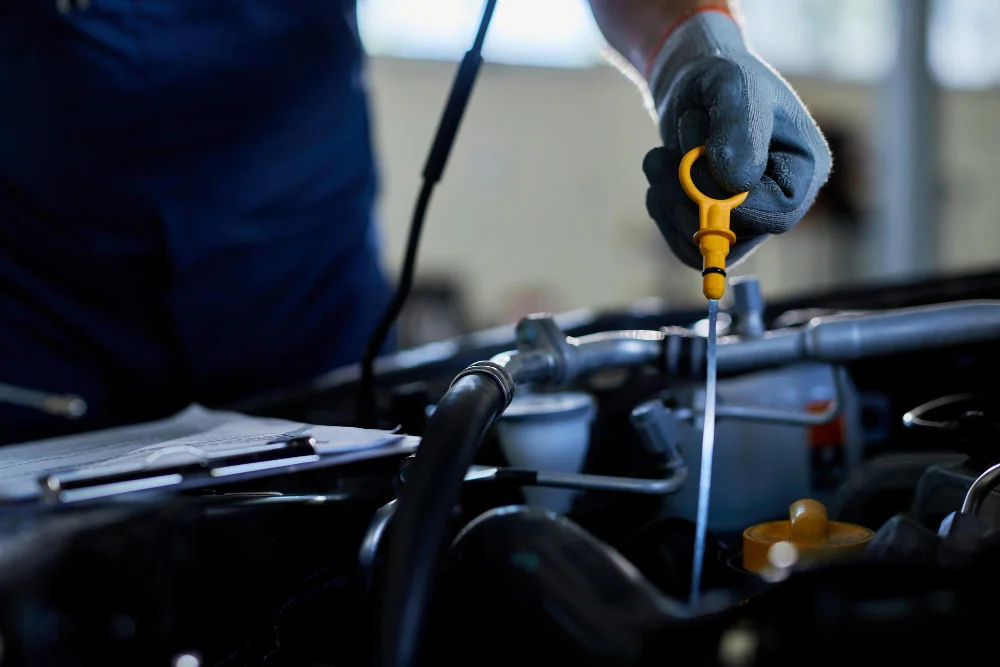
5W-30 is a multigrade engine-oil viscosity classification: the 5W grade describes specified low-temperature performance and 30 describes viscosity limits at operating temperature.